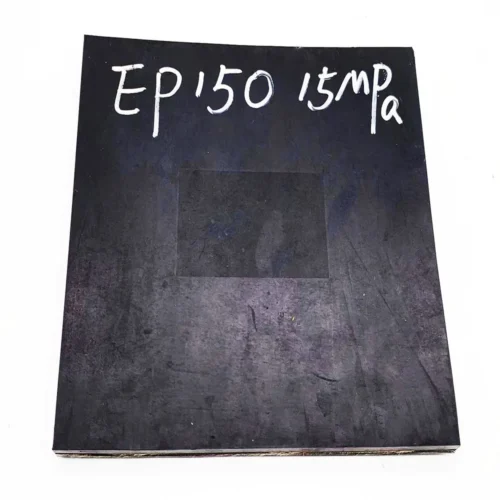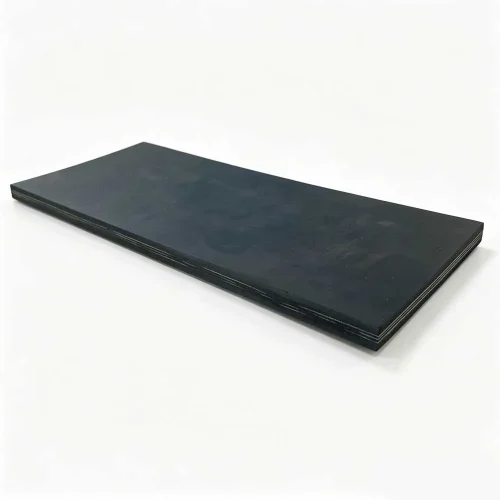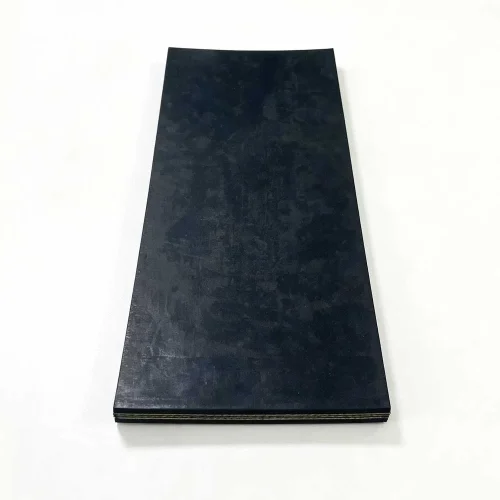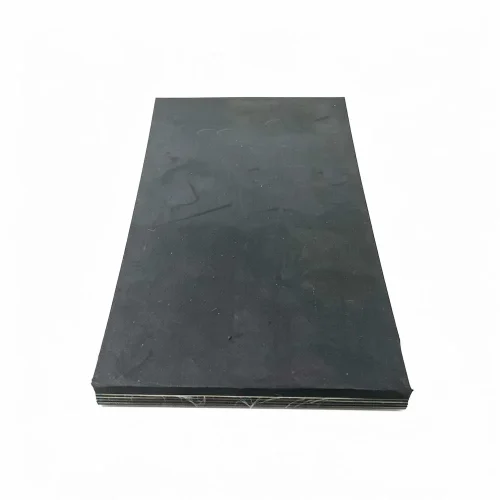


Description of Cold Resistant Conveyor Belt
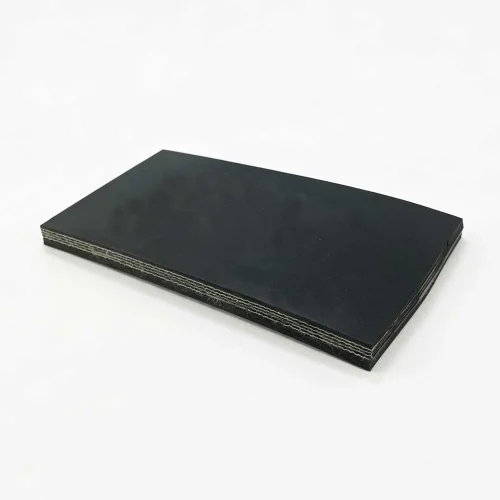
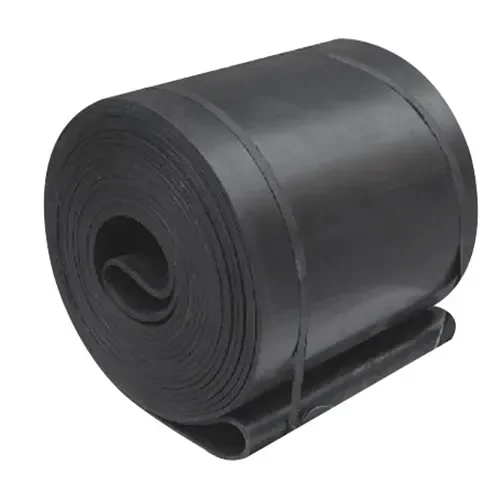
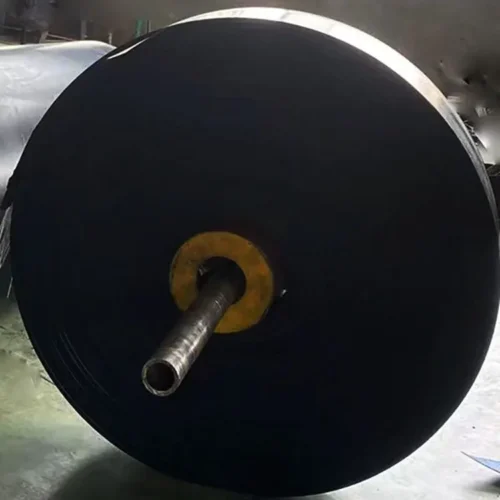
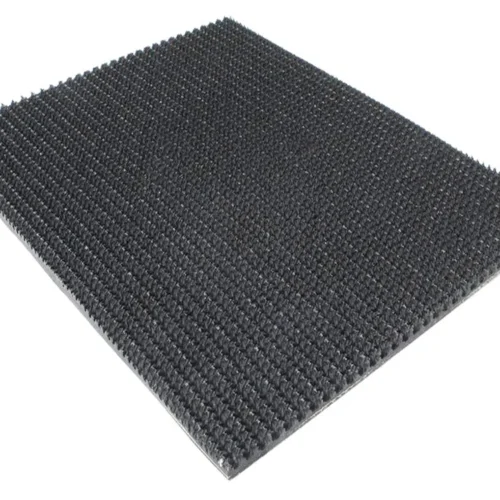
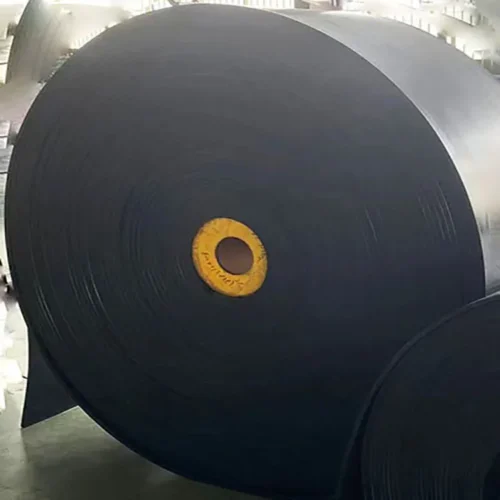
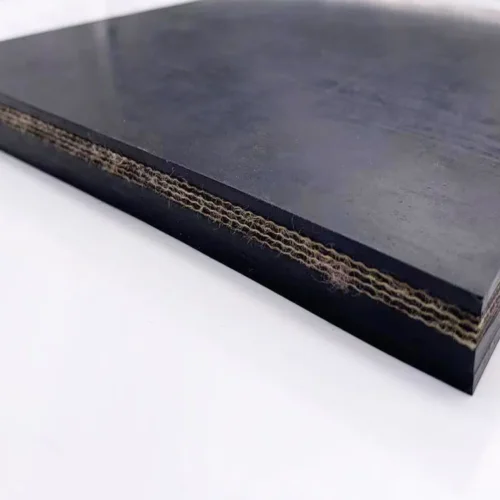
The belt carcass of cold-resistant conveyor belt is cotton, nylon, or polyester canvas. The covering layers are a mixture of natural rubber and neoprene rubber. They have characteristics of good elasticity, shock resistance, and low temperature resistance. Our belts are specially designed for disposing of materials below 40℃. They are reinforced by multi-layer polyester or nylon fabric and covered with cold-resistant rubber with a special formula and manufacturing process. A cold-resistant conveyor belt is appropriate for delivering items in cold districts. Before leaving our cold-resistant conveyor belt factory, our products are tested for tensile strength, anti-abrasion, and adhesion, thus meeting the requirements of clients.
Types of Cold Resistant Conveyor Belt
(H) Tear-resistant type:
- Tensile Strength: ≥24 MPa
- Elongation at Break: ≥450%
- Abrasion Volume: ≤120 mm³
It has high tensile strength and elongation at break, suitable for applications requiring high tear resistance.
(D) Abrasion-resistant type:
- Tensile Strength: ≥18 MPa
- Elongation at Break: ≥400%
- Abrasion Volume: ≤100 mm³
It has a low abrasion rate, suitable for conveying materials such as coal, ore, and gravel.
(L) Standard type:
- Tensile Strength: ≥15 MPa
- Elongation at Break: ≥350%
- Abrasion Volume: ≤200 mm³
It is suitable for conveying materials in low-temperature environments.
Cold-resistance Rating Classification
C1 Rating
- Working temperature: -45℃ to +45℃
- Tensile strength & elongation change: ±20%
C2 Rating
- Working temperature: -50℃ to +45℃
- Tensile strength change rate: ±25%
- Elongation at break change rate: ±30%
Specification
| Limit deviation of overburden thickness | ||
|---|---|---|
| Executive Standard: HG/T3647-2014 | ||
| Nominal thickness of upper and lower cover | Limit deviation | |
| ≤4 | Upper deviation: Unspecified lower deviation: 0.2 mm | |
| >4 | Upper deviation: Unspecified lower deviation: 5% of basic size | |
| Physical properties of overburden | |||||
|---|---|---|---|---|---|
| Executive Standard: HG/T3647-2014 | |||||
| Project | Index | ||||
| H | D | L | |||
| Tensile strength Mpa (Not less than ) | 24 | 18 | 15 | ||
| Elongation at break/% (Not less than ) | 450 | 400 | 350 | ||
| Wear volume/mm3 | 120 | 100 | 200 | ||
| Aging test (70°C × 168h) Tensile strength change rate/% elongation change rate at break/% | -25 ~ +25 | -25 ~ +25 | -25 ~ +25 | ||
| Cold resistance | Tensile strength change rate/% | C1(-45°C) | ±20 | ||
| C2(-50°C) | ±25 | ||||
| Change rate of elongation at break/% | C1(-45°C) | ±20 | |||
| C2(-50°C) | ±30 | ||||
| Notes: C1-The ambient temperature is: -45°C ~ +45°C; C2-The ambient temperature is -50°C ~ +45°C | |||||
Features and Benefits
1. Impact Resistance: It can withstand the impact of materials such as coal and ore and is not easily cracked.
2. High Elasticity: The conveyor belt is made of a mixture of natural rubber and BR (butadiene rubber), which has high elasticity.
3. Cold Resistance: The conveyor belt can maintain stable performance in low-temperature environments ranging from -40℃ to -50℃.
4. Wear Resistance: It can withstand continuous friction from coal and gravel without premature wear.
5. Flexibility: It can bend flexibly in low-temperature environments, reducing the problem of hardening.
6. Tear Resistance: The conveyor belt has a fabric core or steel cord core structure, which improves its tear resistance.
Application of Cold Resistant Conveyor Belt
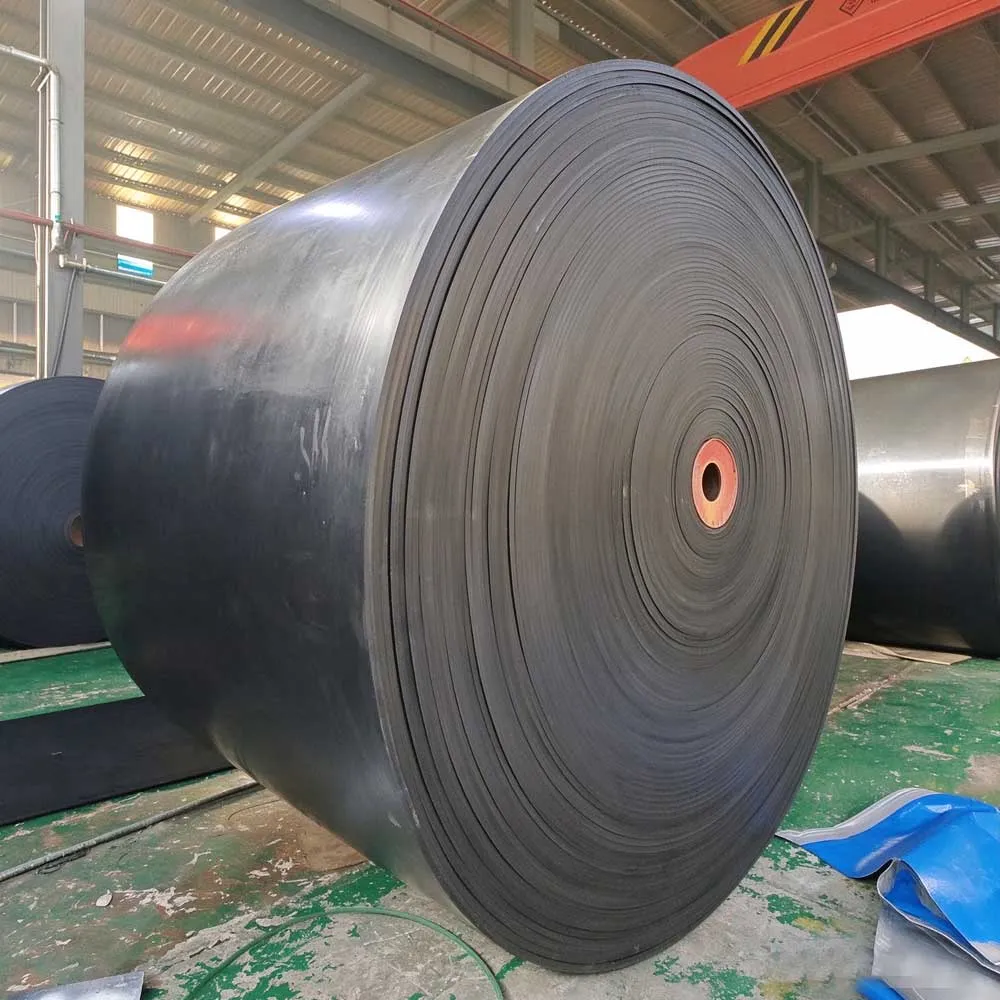
Our company is one of the professional cold-resistant conveyor belt suppliers. As a high-quality conveyor belt, our customized cold-resistant conveyor belt has been widely applied to material delivery in cement, coal mines, quarries, power stations, and steel mills.
- Mining: Transporting iron ore, copper ore, and other ores in open-pit mines.
- Coal transportation: The transportation of coal from coal mines and power plants.
- Quarry: Transporting materials such as crushed stone, granite, limestone, and gravel.
- Port loading and unloading: Transportation of materials such as coal and ore at docks and ports.
- Cement and building materials industry: Transporting limestone, clinker, and other bulk building materials.
- Cold region transportation: Material transportation in high-latitude, cold regions.