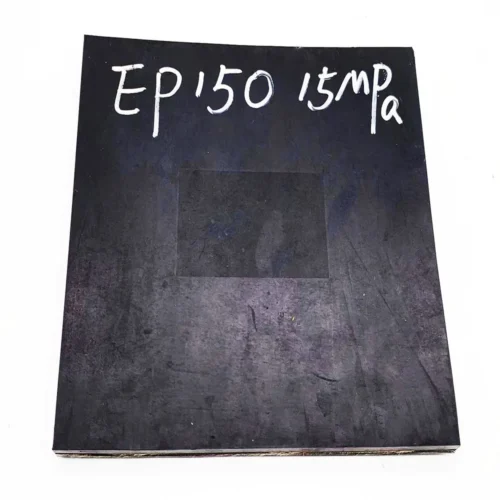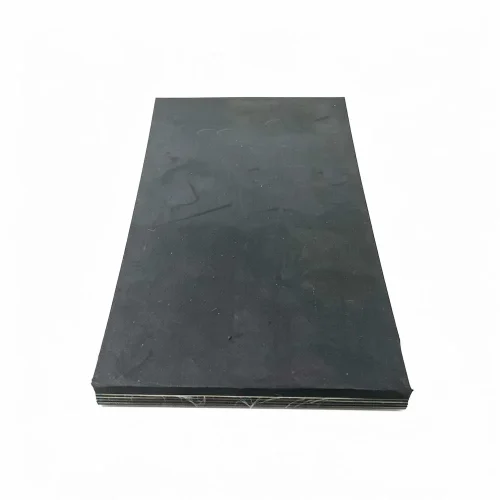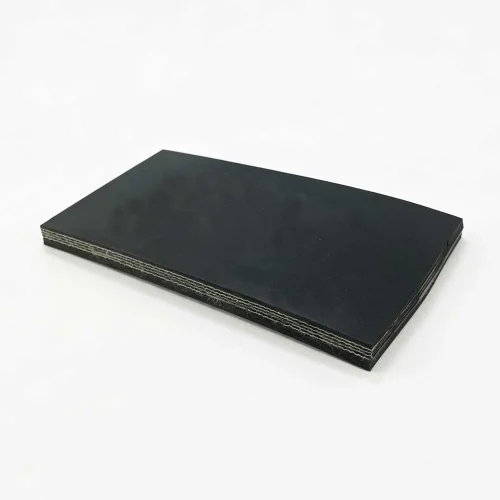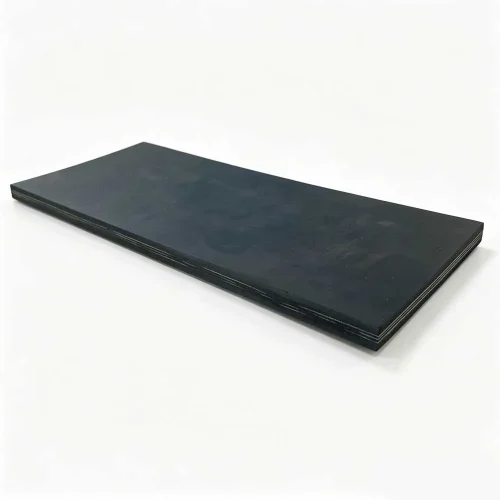




Nylon Conveyor Belt Description
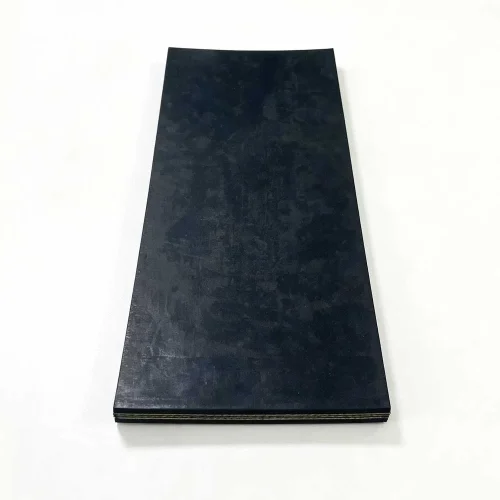
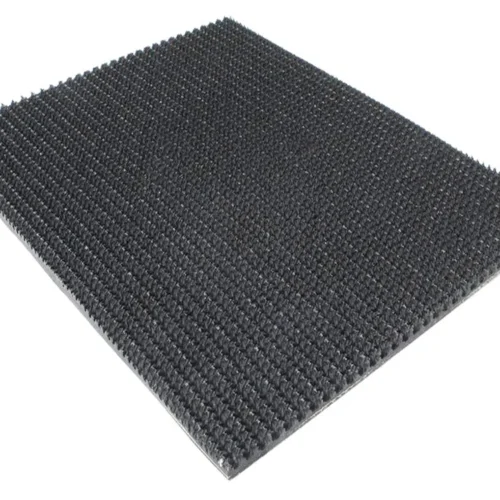
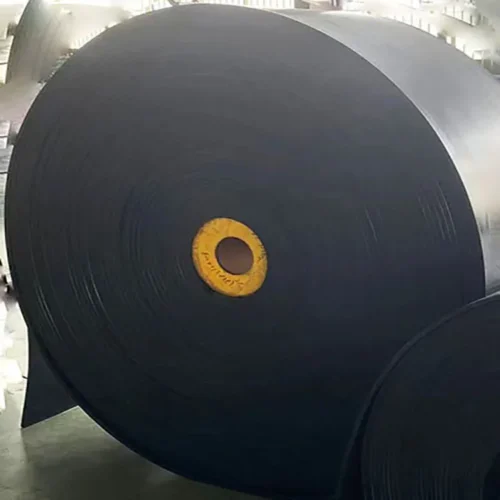
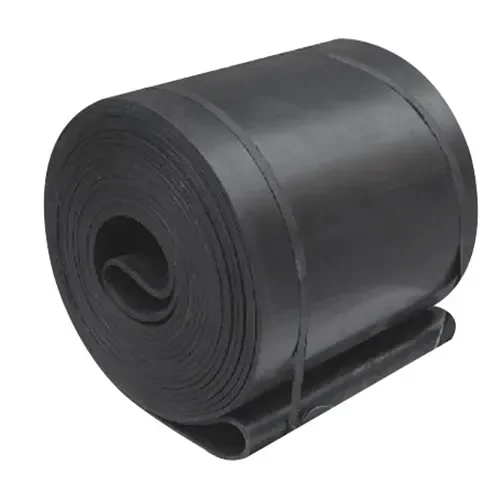
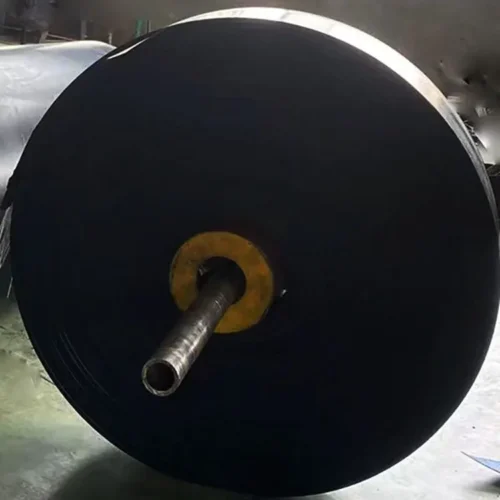
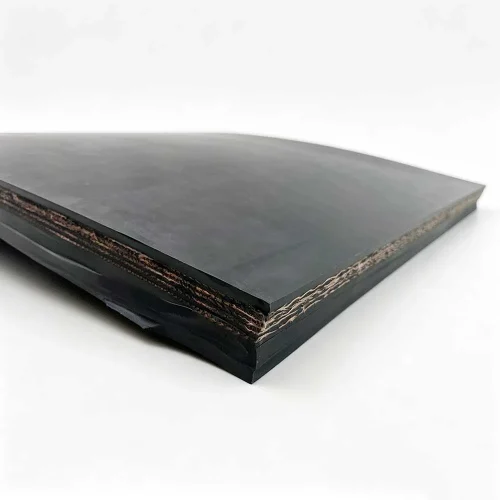
The nylon conveyor belt is a versatile, reliable, and high-powered conveyor belt. It is made up of multiple-layer fiber fabric and rubber layers. This type of conveyor belt is bonded and vulcanized to form a robust structure. The mesh structure of the fabric conveyor belt makes it suitable for diverse industries, including mining, metallurgy, construction, agriculture, and the chemical industry. Our company, one of the best NN conveyor belt manufacturers, can provide nylon conveyor belts with different model numbers to satisfy the needs of customers. The nylon conveyor belt is refined from nylon canvas by calendering, molding, and vulcanization. Compared to ordinary conveyor belts, this type of conveyor belt offers several advantages, including high strength, good elasticity, impact resistance, lightweight construction, and excellent groove formation. This type of rubber conveyor belt can effectively reduce conveying costs and achieve high speeds, large spans, and long-distance delivery.
NN Conveyor Belt Structure
Top Cover: Designed to protect carcass from service conditions like oil, heat, abrasion etc.
Skim Rubber: Compounded for excellent adhesion between plies for protecting against ply separation.
Textile Fabric(EP, NN, CC): Extremely low stretch characteristics of fabric and good troughability.
Bottom Cover: Excellent in abrasion and flexibility, provides wearing surface against pulleys and idlers.
Get A Quote
Specification
| Fabric Type | Fabric Specification | Fabric Layer Thickness (mm) |
Single Fabric Strength (N/mm) |
Covering Layer Thickness (mm) |
Width (mm) |
Length (m) |
|
|---|---|---|---|---|---|---|---|
| Top Layer | Bottom Layer | ||||||
| Nylon/NN | NN-100 | 0.70 | 100 | 1.5-8 | 1-4.5 | 300-1800 | 20-300 |
| NN-125 | 0.75 | 125 | |||||
| NN-150 | 0.80 | 150 | |||||
| NN-200 | 0.90 | 200 | |||||
| NN-250 | 1.10 | 250 | |||||
| NN-300 | 1.25 | 300 | |||||
| NN-350 | 1.35 | 350 | |||||
| NN-400 | 1.70 | 400 | |||||
| NN-500 | 1.80 | 500 | |||||
Adhesion and Elongation
| Belt | Adhesion | Elongation at break | |||
|---|---|---|---|---|---|
| Carcass | Interlayer N/mm |
N/mm between rubber and carcass | Longitudinal elongation at break | Longitudinal reference elongation | |
| Rubber thickness ≤ 1.5mm | Rubber thickness > 1.5mm | ||||
| Nylon Canvas | ≥4.50 | ≥3.2 | ≥3.5 | ≥10% | ≤4% |
Cover Performance of NN Conveyor Belts
| Cover Level | Tensile strength | Elongation at break | Abrasion | Change rate of tensile strength and | |
|---|---|---|---|---|---|
| ≥ | ≥ | ≤ | |||
| Mpa | Kgf/cm2 | % | mm3 | % | |
| Heavy | 24 | 240 | 450 | 120 | -25 ~ +25 |
| Medium | 18 | 180 | 400 | 100 | -25 ~ +25 |
| Light | 15 | 150 | 350 | 200 | -30 ~ +30 |
Features and Advantages of Nylon Conveyor Belt
1. High-Temperature Resistance
Nylon conveyor belts are made of nylon fibers. They maintain stable performance even at high temperatures.
2. Low Cost
Nylon conveyor belts are lightweight, resulting in low installation and maintenance costs.
3. High Tensile Strength
Nylon conveyor belts have high tensile strength and are resistant to breakage or deformation.
4. Corrosion Resistance
Nylon conveyor belts are corrosion-resistant and can operate stably in corrosive environments.
5. Versatile Applications
Nylon conveyor belts are widely used and suitable for a variety of complex transportation environments.
6. High Wear Resistance
Nylon conveyor belts exhibit minimal wear and have a smooth surface. They have a low coefficient of friction and are less susceptible to damage.
7. Long Service Life
Nylon conveyor belts are wear-resistant and corrosion-resistant, resulting in a long service life.
Applications
The nylon conveyor belt is widely applied to mining, construction, agriculture, the chemical industry, and logistics. It is specifically described as follows:
- Construction: This kind of conveyor belt can convey materials such as concrete and gravel to support building projects.
- Agriculture: It can transport, load, and unload agricultural products such as grain and feed.
- Logistics: This product can be used for loading, unloading, and delivery of containers, bulk goods, and cargo.