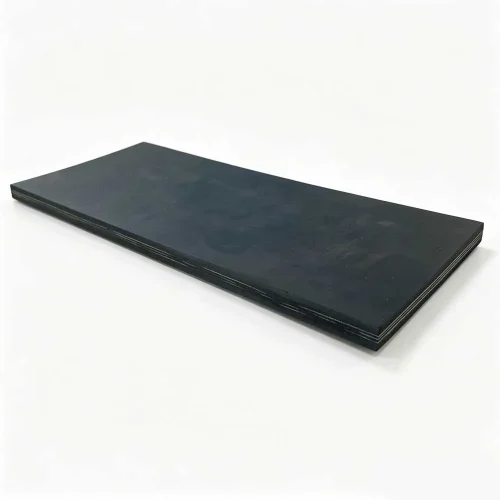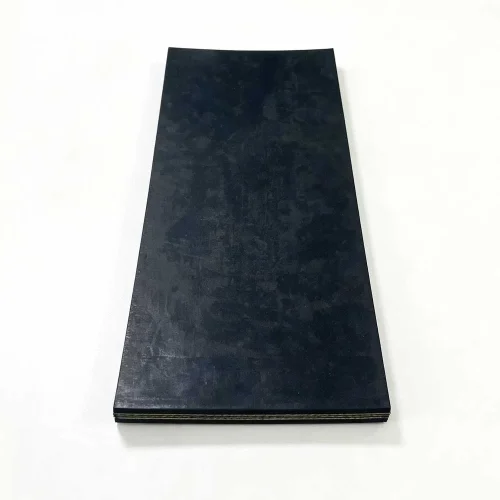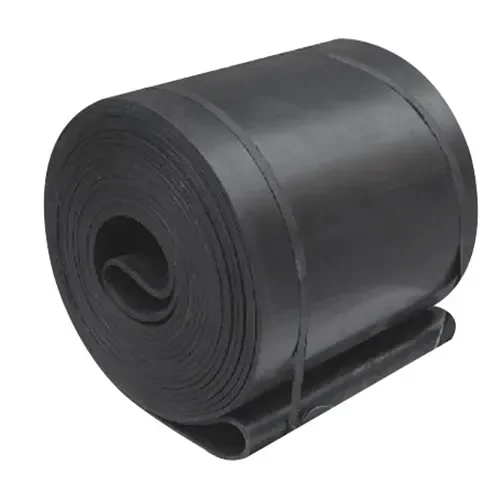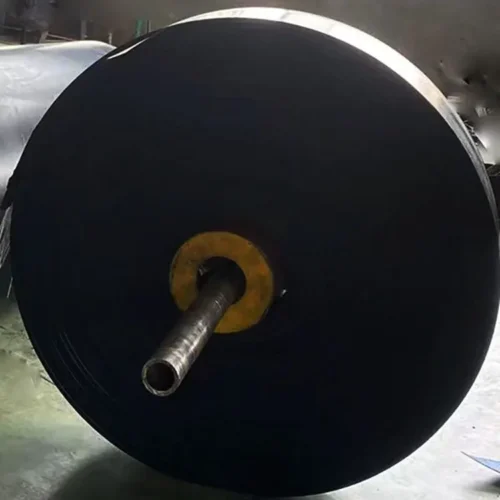


Description de la bande transporteuse résistante au froid
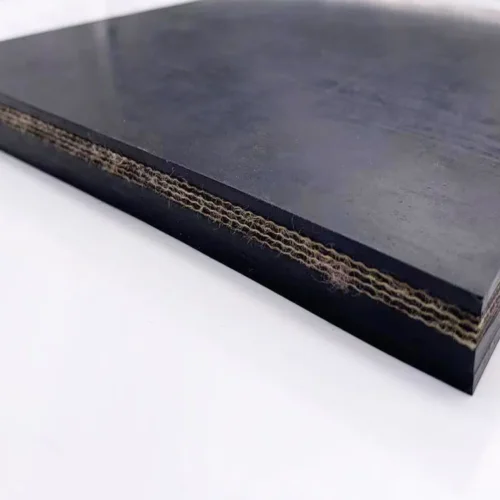
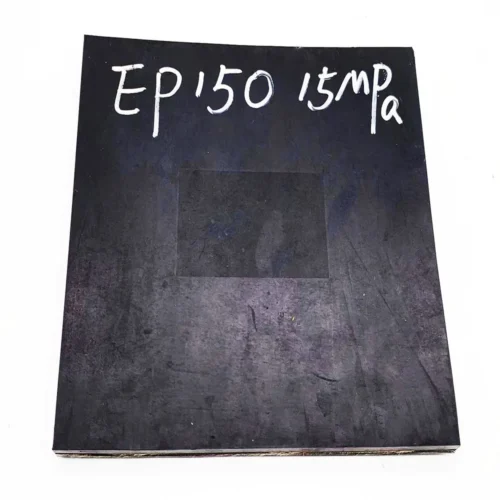
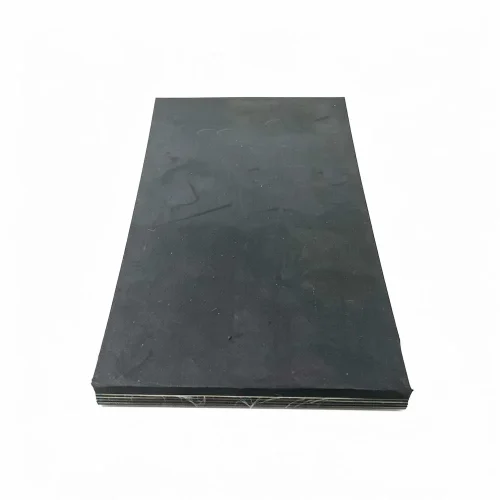
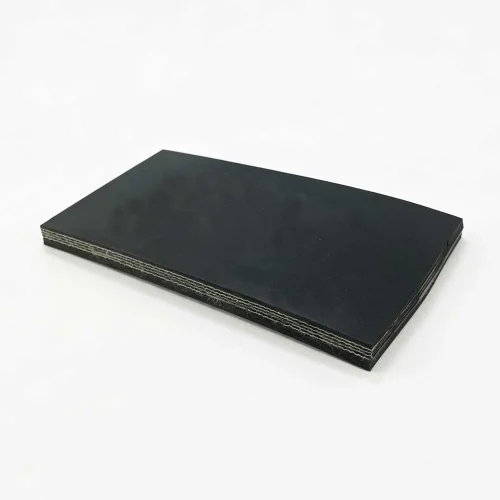
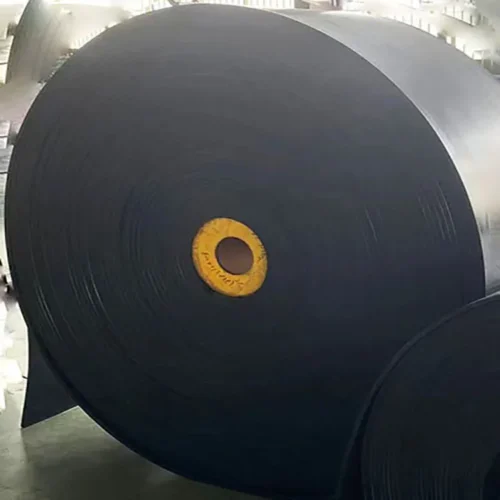
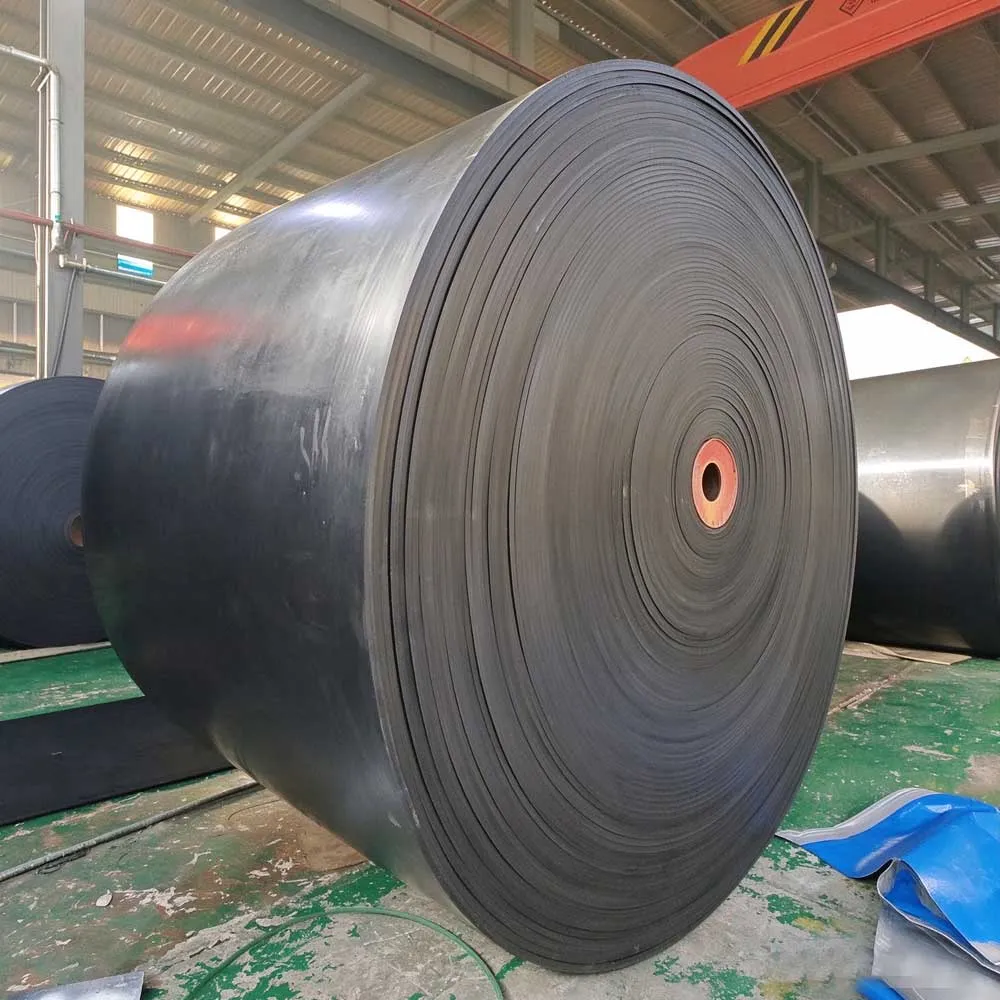
La carcasse de la ceinture de résistant au froid conveyor belt is cotonLa toile peut être en acier, en nylon ou en polyester. Les couches de revêtement sont un mélange de caoutchouc naturel et de néoprène. Elles présentent les caractéristiques d'une bonne élasticité, d'une bonne résistance aux chocs et d'une bonne résistance aux basses températures. Nos courroies sont spécialement conçus pour l'élimination des matériaux de moins de 40℃. Ils sont renforcés par un tissu multicouche en polyester ou en nylon et recouverts d'un caoutchouc résistant au froid avec une formule et un processus de fabrication spéciaux. A résistant au froid conveyor belt is appropriate for delivering items in cold districts. Avant de quitter notre usine de bandes transporteuses résistantes au froid, nos produits sont testés pour la résistance à la traction, anti-abrasionet l'adhésion, Ainsi, la réunion les exigences des clients.
Types of Cold Resistant Conveyor Belt
(H) Tear-resistant type:
- Résistance à la traction: ≥24 MPa
- Allongement à la rupture: ≥450%
- Abrasion Volume: ≤120 mm³
It has high tensile strength and elongation at break, suitable for applications requiring high tear resistance.
(D) Abrasion-resistant type:
- Résistance à la traction: ≥18 MPa
- Allongement à la rupture: ≥400%
- Abrasion Volume: ≤100 mm³
It has a low abrasion rate, suitable for conveying materials such as coal, ore, and gravel.
(L) Standard type:
- Résistance à la traction: ≥15 MPa
- Allongement à la rupture: ≥350%
- Abrasion Volume: ≤200 mm³
It is suitable for conveying materials in low-temperature environments.
Cold-resistance Rating Classification
C1 Rating
- Working temperature: -45℃ to +45℃
- Tensile strength & elongation change: ±20%
C2 Rating
- Working temperature: -50℃ to +45℃
- Tensile strength change rate: ±25%
- Elongation at break change rate: ±30%
Spécifications
| Limit deviation of overburden thickness | ||
|---|---|---|
| Executive Standard: HG/T3647-2014 | ||
| Nominal thickness of upper and lower cover | Limit deviation | |
| ≤4 | Upper deviation: Unspecified lower deviation: 0.2 mm | |
| >4 | Upper deviation: Unspecified lower deviation: 5% of basic size | |
| Physical properties of overburden | |||||
|---|---|---|---|---|---|
| Executive Standard: HG/T3647-2014 | |||||
| Projet | Index | ||||
| H | D | L | |||
| Tensile strength Mpa (Not less than ) | 24 | 18 | 15 | ||
| Elongation at break/% (Not less than ) | 450 | 400 | 350 | ||
| Wear volume/mm3 | 120 | 100 | 200 | ||
| Aging test (70°C × 168h) Tensile strength change rate/% elongation change rate at break/% | -25 ~ +25 | -25 ~ +25 | -25 ~ +25 | ||
| Cold resistance | Tensile strength change rate/% | C1(-45°C) | ±20 | ||
| C2(-50°C) | ±25 | ||||
| Change rate of elongation at break/% | C1(-45°C) | ±20 | |||
| C2(-50°C) | ±30 | ||||
| Notes: C1-The ambient temperature is: -45°C ~ +45°C; C2-The ambient temperature is -50°C ~ +45°C | |||||
Caractéristiques et avantages
1. Impact Resistance: It can withstand the impact of materials such as coal and ore and is not easily cracked.
2. High Elasticity: The conveyor belt is made of a mixture of natural rubber and BR (butadiene rubber), which has high elasticity.
3. Cold Resistance: The conveyor belt can maintain stable performance in low-temperature environments ranging from -40℃ to -50℃.
4. Wear Resistance: It can withstand continuous friction from coal and gravel without premature wear.
5. Flexibility: It can bend flexibly in low-temperature environments, reducing the problem of hardening.
6. Tear Resistance: The conveyor belt has a fabric core or steel cord core structure, which improves its tear resistance.
Demande de la bande transporteuse résistante au froid
Notre société est l'un des professionnels convoyeur résistant au froid fournisseurs de courroies. As a high-quality conveyor belt, our customized cold-resistant conveyor belt has a été largement appliquée à la livraison de matériaux dans les secteurs du ciment, du charbon mines, carrières, puissance stationset l'acier moulins.
- Exploitation minière: Transporting iron ore, copper ore, and other ores in open-pit mines.
- Coal transportation: The transportation of coal from coal mines and power plants.
- Quarry: Transporting materials such as crushed stone, granite, limestone, and gravel.
- Port loading and unloading: Transportation of materials such as coal and ore at docks and ports.
- Cement and building materials industry: Transporting limestone, clinker, and other bulk building materials.
- Cold region transportation: Material transportation in high-latitude, cold regions.