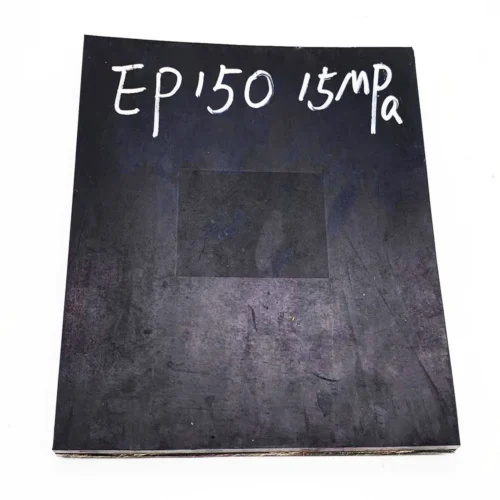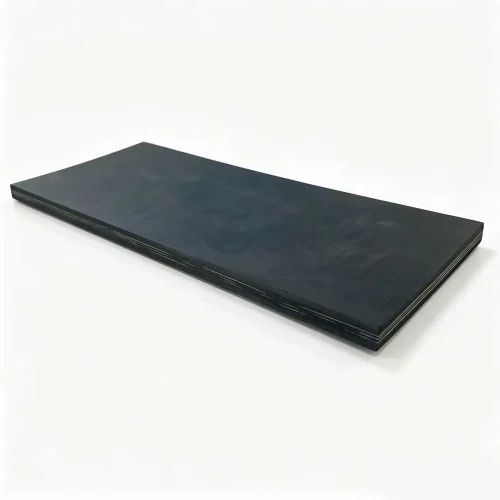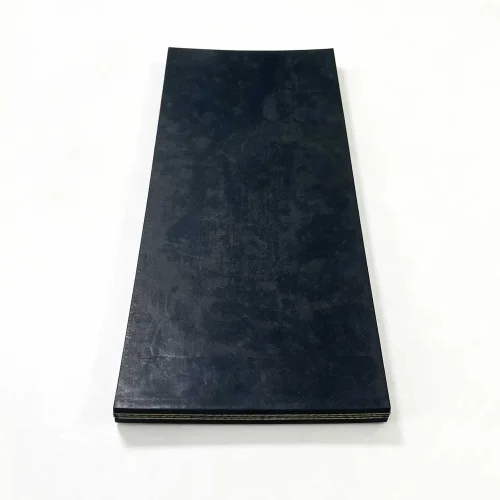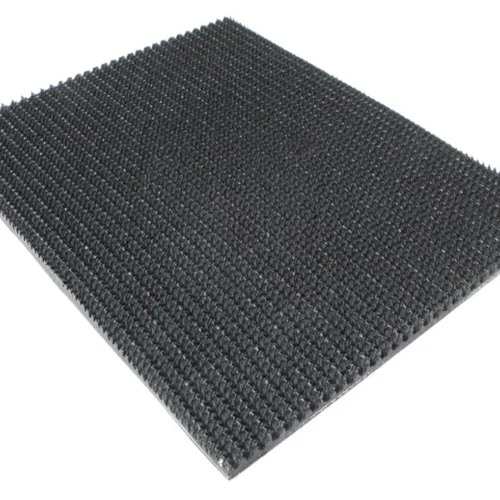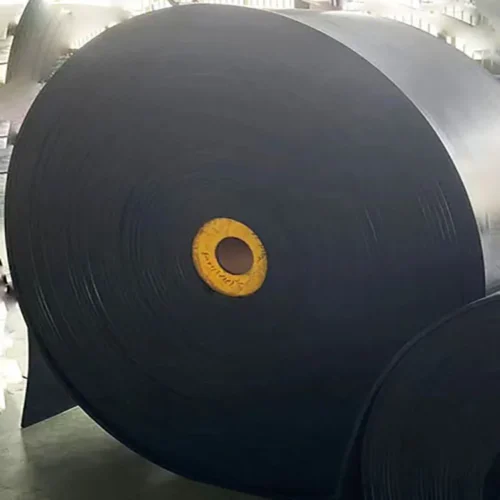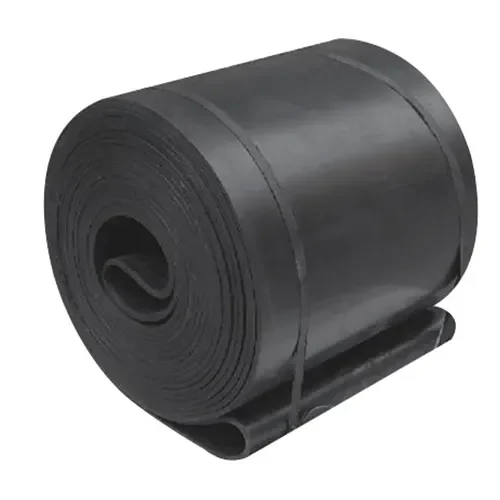


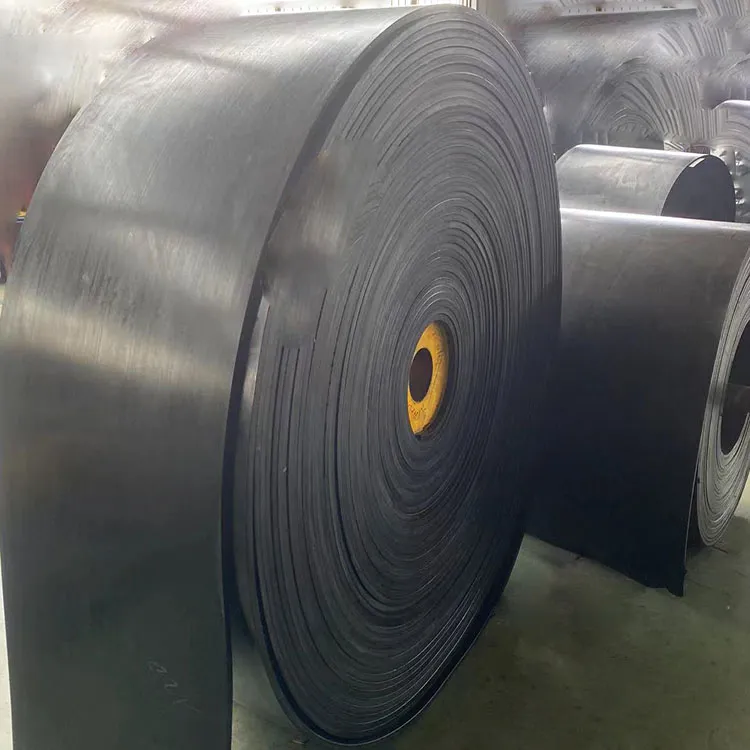
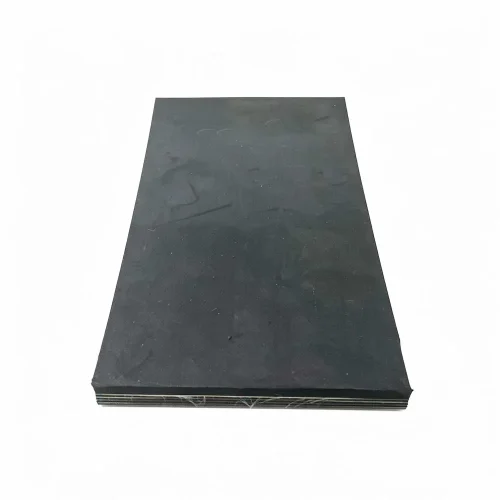
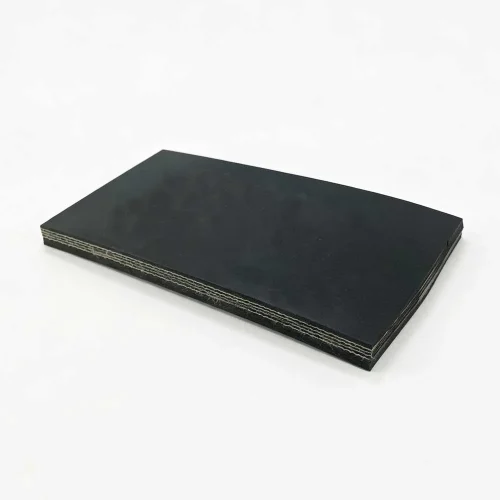
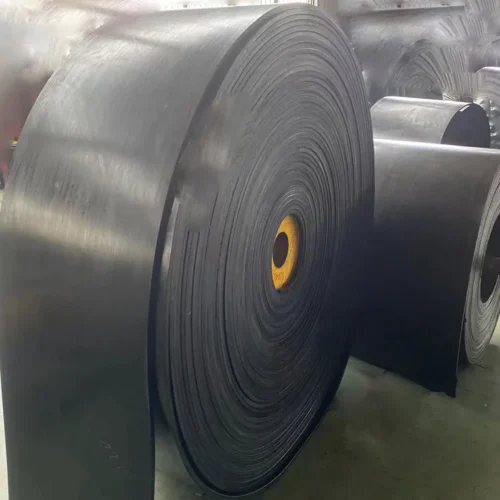

Description of Chemical Resistant Conveyor Belt
Bandes transporteuses résistantes aux acides et aux alcalis de notre entreprise, l'une des professionnel convoyeur résistant aux acides et aux alcalis fabricants de courroiessont utilisés dans l'environnement de travail avec exposition à l'acide et à l'alcali, comme la production d'engrais phosphatés et le séchage du sel de l'eau de mer. Ce produit est composé d'une toile de polyester de haute qualité et de est fait dans un anneau pour utilisation. Le caoutchouc de couverture, qui présente une bonne résistance à la corrosion chimique et de bonnes performances physiques, est composé de matériaux résistants aux acides et aux alcalis. Il est renforcé par tissu de polyester ou de nylon et recouvert par anti-acide et alcali caoutchouc. Le caoutchouc est produit par un mélange de formules et de procédés spéciaux. Il peut prévenir les corrosion d'acide et alcali sur les ceintures. Grâce à ses excellentes performances en matière d'adhérence, il ne se détache pas en cours d'utilisation.
Obtenir un devisSpécifications
| Executive standard: HG/T 3782-20 | |||||||
| Projet | Tensile strength (Mpa) | Elongation at break (%) | Wear volume (mm³) | Hardness (Ao) | Ozone aging | ||
|---|---|---|---|---|---|---|---|
| Cover gum | Physical property | Before aging | ≥14.0 | ≥ 400 | ≥250 | 55-70 | No crack |
| After aging | ≥12.0 | ≥340 | — | 60-75 | — | ||
| Acid and alkali resistance | Catégorie | Soaking solution | Concentration | Soaking condition | Performance change rate before and after soaking | ||
| Volume expansion rate | Tensile strength change rate | ||||||
| A1 | hydrochloric acid | 18% | 50 ℃ ×96h | +10% Following | -10% within | ||
| A2 | sulphuric acid | 50% | 50 ℃ ×96h | +10% Following | -10% within | ||
| A3 | sodium hydroxide | 48% | 50 ℃ ×96h | +10% Following | -10% within | ||
| Test conditions: Ozone concentration (50±5)*10(volume fraction), temperature (40±2) ℃, elongation (20±2)%, time 15h | |||||||
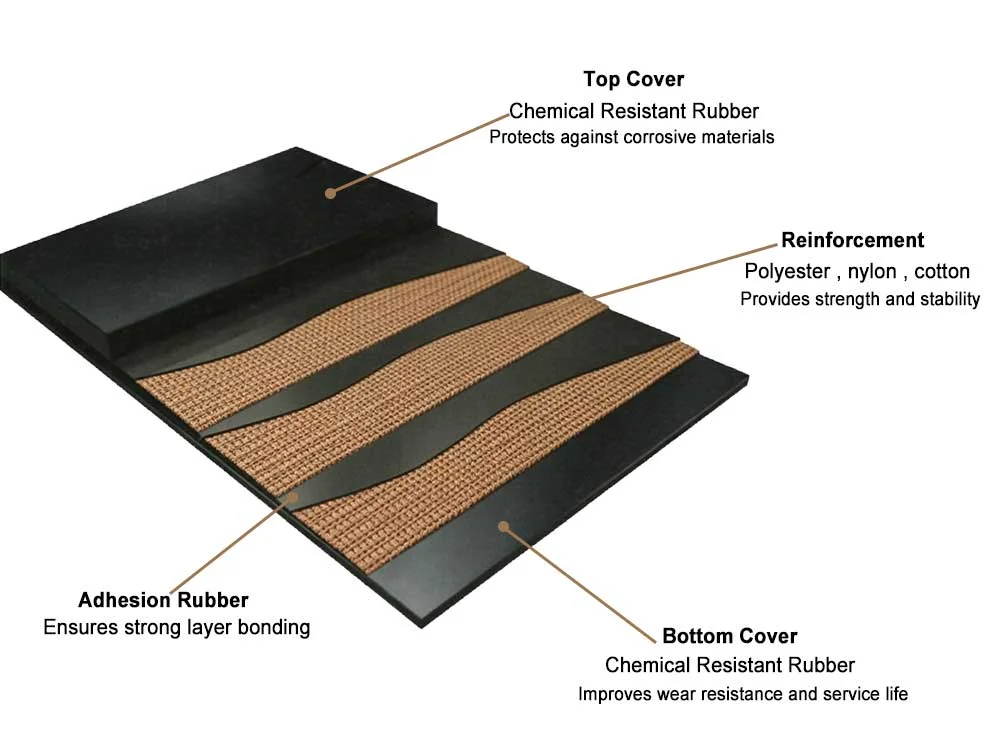
Chemical Resistant Conveyor Belt Structure
Materials for Chemical Resistant Conveyor Belts
| Type | Chemical Resistance Performance | Demande |
|---|---|---|
| EPDM | Excellent resistance to acids, alkalis, ozone, and salt | Chemical industry, sewage treatment, salt chemical industry |
| CSM (Chlorosulfonated Polyethylene) | Strong resistance to acids, alkalis, and strong oxidizers | Highly corrosive chemical plants |
| NBR (Nitrile Rubber) | Oil-resistant, medium chemical resistance | Oil-containing chemical mixtures |
| CR (Neoprene / Chloroprene Rubber) | Medium chemical corrosion resistance | General industrial environments |
| IIR (Butyl Rubber) | Strong resistance to strong acid corrosion, excellent sealing | Chemical industry, electronics recycling |
| PVC (Polyvinyl Chloride) | Mild chemical corrosion resistance, low cost | Small-scale laboratories |
| Custom Composite Rubber System | Customized for different acid, alkali, and solvent requirements | Specialty chemical industry |
| Flame Retardant + Chemical Resistant Composite Formula | Chemical resistance + flame retardant performance | Mines, power plants, chemical industry |
Caractéristiques et avantages de la bande transporteuse résistante aux acides et aux alcalis
1. Chemical resistance: Made of chemical-resistant rubber material, it can resist the erosion of different types of chemical media.
2. Acid and alkali resistance: It has good acid and alkali resistance and is suitable for the fertilizer and chemical industries.
3. High temperature resistance: Made of heat-resistant rubber material, it can transport high-temperature materials.
4. Anti-aging: Possesses excellent ozone resistance and weather resistance, suitable for long-term outdoor use.
5. Low elongation: Utilizing high-strength skeleton material, it has low elongation and is not easily deformed.
6. High load-bearing capacity: Utilizing a high-strength fabric layer or steel wire rope core structure, it possesses excellent load-bearing capacity.
7. Wear resistance: The highly wear-resistant rubber coating can withstand the impact and friction of materials.
8. Anti-slip: The high coefficient of friction on the conveyor belt surface reduces material slippage.
Obtenir un devisSelection Standard
| Selection Factors | Guidelines |
|---|---|
| Conveying Medium | Clarify the conveying medium: acid, alkali, solvent, or mixed chemical substances |
| Chemical Concentration | The higher the concentration of the chemical medium, the stronger the corrosiveness |
| Operating Temperature | In high-temperature environments, select a heat-resistant + chemical-resistant composite formula |
| Structure | EP canvas, NN nylon, or steel cord carcass structure |
| Environnement de travail | Humidity, dust, oil stains, or oxidizing environment |
| Conveyor Type | Horizontal, inclined, trough, or enclosed systems – match dedicated conveyor belts with different conveying systems |
| Special Requirements | Whether special requirements such as flame retardancy or anti-static properties are needed |
Packaging Details
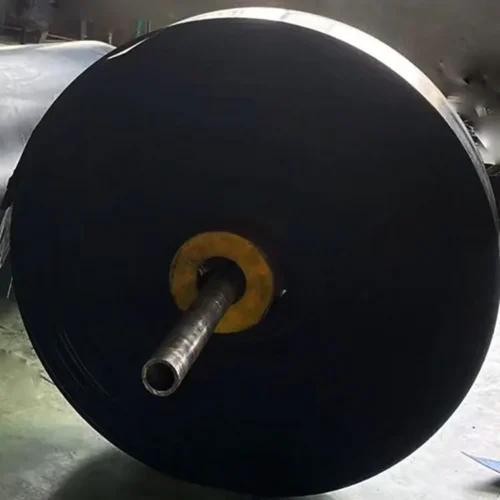
Rentone Belt’s chemical conveyor belts are packaged in standard export packaging. Each conveyor belt undergoes rigorous inspection before shipment and is then wound, wrapped, and reinforced to prevent wear, moisture, or deformation during transportation. The product model, specifications, length, and weight are clearly marked on the outside of the packaging to facilitate warehouse inventory and loading/unloading. We can also provide customized packaging solutions according to your requirements.
Obtenir un devis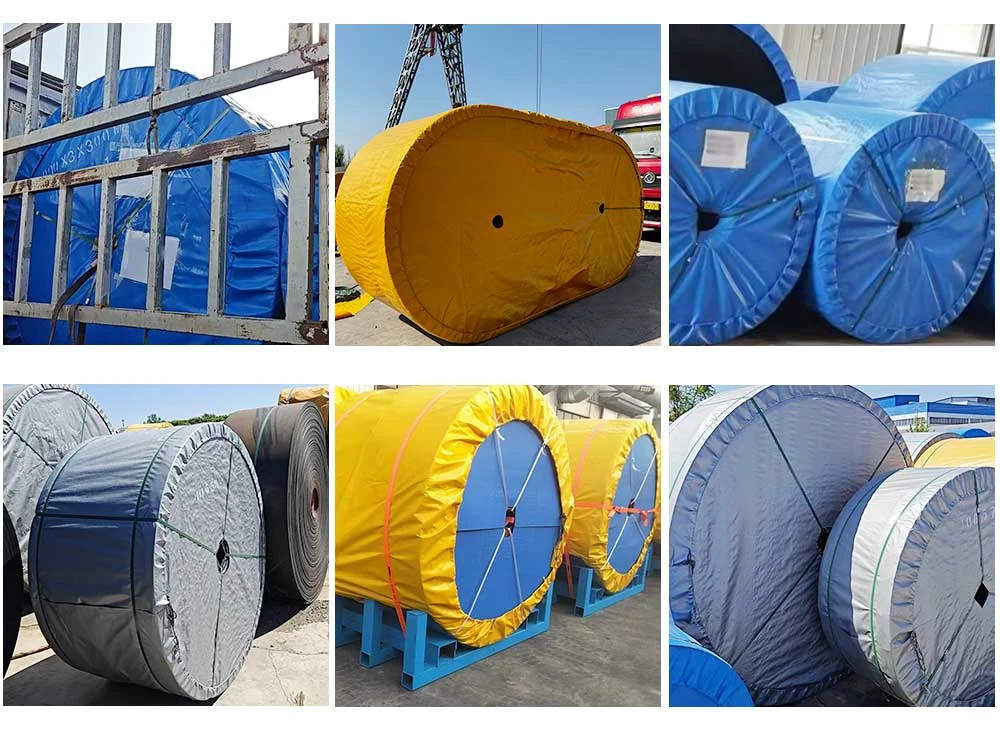
Applications
- Industrie chimique
Transporting chemical raw materials, acidic and alkaline materials, and corrosive media in chemical plants. Suitable for production lines involving sulfuric acid, hydrochloric acid, sodium hydroxide, and other chemical media.
- Fertilizer Production
Transporting fertilizers such as urea, phosphate fertilizer, potash fertilizer, and compound fertilizer. Withstands ammonium nitrate corrosion without degradation.
- Metallurgy & Mining
Transporting ores, metal powders, and materials containing corrosive components. Suitable for applications involving corrosive copper, zinc, and gold mines.
- Paper Industry
Transporting acidic pulp, bleaching agents, and wastewater containing chemical components. Prevents damage to the conveyor belt from chloride and alkaline solutions.
- New Energy Industry
Transporting lithium batteries, electronic materials, chemical powders, and battery recycling materials. Meets the corrosion resistance requirements of new energy production processes.
- Wastewater Treatment
Transporting sludge, high-salinity materials, brine, and industrial wastewater. Capable of long-term operation in humid and corrosive environments.
Obtenir un devisFoire aux questions
Our chemical-resistant conveyor belts are specifically designed for conveying acids, alkalis, salts, fertilizers, and other corrosive chemical media. They have superior corrosion resistance, aging resistance, and wear resistance. They can operate stably in harsh chemical environments, reducing equipment downtime and maintenance costs. Chemical conveyor belts are widely used in industries such as chemical, fertilizer, mining, salt industry, sewage treatment, power, and metallurgy. When selecting a model, factors such as the type, concentration, temperature, and operating environment of the medium being transported should be considered. Please provide your application requirements, and we will recommend a suitable conveyor belt for you.
Rentone Belt is a professional manufacturer of custom conveyor belts. We offer OEM and custom conveyor belts according to your specifications, including: belt width, thickness, number of fabric layers, tensile strength, material, surface pattern, and edge type.
Yes, we can make chemical conveyor belt samples according to your equipment requirements before mass production. After the sample evaluation is completed, we will proceed with mass production.
Choosing the right chemical-resistant conveyor belt requires a comprehensive assessment based on the actual working conditions. First, determine the type of medium being transported, such as acid, alkali, salt, fertilizer, or other corrosive materials. Then select a matching material, such as acid- and alkali-resistant rubber, EPDM (ethylene propylene diene monomer), NBR (oil-resistant rubber), etc. Secondly, parameters such as equipment operating temperature, conveying distance, conveying speed, and load intensity need to be considered. If high-temperature conditions exist, you should choose a heat-resistant conveyor belt. In addition, the width, thickness, number of fabric layers, and structural type of the conveyor belt will also affect its performance. Rentone Belt can recommend suitable chemical-resistant conveyor belt solutions based on your conveying medium, equipment parameters, and operating conditions.
Chemical conveyor belts should be stored in a clean, cool, and dry warehouse, avoiding direct sunlight and rain or snow, and away from heat sources. The warehouse temperature is maintained between -15℃ and +40℃, and the relative humidity is controlled between 50% and 80%. The conveyor belt should not be folded; it should be rolled up to prevent deformation under pressure.