
Conveyor belts are a key component in many industries. They help move goods and many other materials safely and quickly. However, in many industries, the material being moved is not at room temperature. It may be hot clinker coming from a cement plant, heated aggregates, or hot coke. Moving such hot materials is not possible with standard conveyor belts. That’s where heat-resistant conveyor belts come into play. But what makes these belts special and how do they work? If you are new to them, worry not! This guide on heat-resistant conveyor belts and their working will make things easier for you. I will discuss what these heat-resistant belts are, how they work, their uses, and benefits. So let’s get started.
What Is a Heat-Resistant Conveyor Belt

A heat-resistant conveyor belt is a special type of conveyor belt that carries hot materials without getting damaged. It is designed to handle higher temperatures than a normal conveyor belt. Its special rubber cover is what protects the belt from heat-related damage during operation.
The main thing that sets heat-resistant belts apart from ordinary ones is the material used. As you can see, regular conveyor belts are made with ordinary rubber. This rubber, when in contact with hot material, might become soft and ultimately be damaged. However, a heat-resistant conveyor belt uses a specially formulated rubber compound.
This rubber can better tolerate heat and maintain its flexibility and strength. But keep in mind that heat resistance does not mean that the belt will handle any temperature. Every heat-resistant conveyor belt has a specific temperature range and operating limit. Therefore, you must choose the right belt according to the actual working conditions.
Construction of Heat Resistant Conveyor Belt
As I said above, it is the construction of the heat-resistant belt that makes it different from ordinary ones. However, it is not made with a single piece of rubber. It is built from several layers, each with a different job. So let’s dive in and explore the main parts of heat-resistant conveyor belts and their functions.
-
Obere Abdeckung
The top cover is the outer surface of the belt. It is the layer that directly touches the material being transported. In a heat-resistant conveyor belt, this cover is made from a specially formulated rubber compound. That compound has the ability to tolerate high temperatures. It serves as the first line of protection between the hot material and the belt’s inner parts. Besides resisting heat, the top cover also deals with other conditions. For example, sometimes the material is heavy, sharp, or abrasive. So that’s the top cover that handles all this.
-
Reinforcement Layer
The reinforcement layer is the strong inner part of the heat-resistant conveyor belt. It gives the belt the strength to carry heavy, hot materials. It is placed between the rubber covers. That’s why it is usually made from textile materials such as polyester and nylon or, in heavy-duty belts, from Stahlseile. The main job of this layer is to carry much of the pulling force created when the belt moves under load. At the same time, it also helps the belt maintain its shape and prevents excessive stretching during its operation.
-
Unterer Deckel
Now it comes to the bottom cover, which is also a rubber layer and lies on the underside of the belt. Unlike the top cover, it does not normally come into direct contact with the hot material. Instead, it runs over conveyor rollers, idlers, and pulleys as the belt travels through the system. This means that this bottom layer protects the internal reinforcement and allows the belt to move smoothly. That’s the reason this bottom cover is always made flexible so it can bend around the components.
-
Rubber Layers
The reinforcement (fabric or steel cords) gives the belt its strength. Right? However, these reinforcement layers cannot simply be left loose inside the belt. That’s where several rubber layers surround and bond them together. This helps turn all the separate materials into one strong, flexible belt. For example, if the belt has several fabric layers, rubber is placed between them. This rubber will help the layers stick together and move as a single unit when the belt bends around the pulleys.
Working of Heat Resistant Conveyor Belt
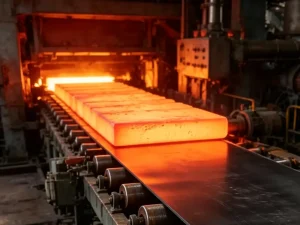
The operation of heat-resistant conveyor belts is very simple and similar to that of ordinary belts. However, it handles the additional heat generated by the material being transported. So the process starts when hot material is placed on the moving belt. As the belt travels, its heat-resistant top cover comes into contact with the material. This layer prevents the heat from quickly damaging the rubber.
At the same time, the inner reinforcement supports the load. It gives the belt enough strength to move the material continuously. As the belt moves along the conveyor, some heat from the material naturally transfers toward the belt. The specially formulated rubber helps the belt tolerate this heat without becoming hard, brittle, or cracked.
The belt keeps moving around rollers and pulleys while carrying the material to its destination. Here, the bottom layer helps it move around these pulleys and rollers effectively. Once the material reaches the discharge point, it leaves the belt. After that, the empty belt continues its return journey with the help of return pulleys. It then comes back to the loading area and picks up another load.
This constant movement helps industries move hot materials quickly. They don’t have to wait for cooling. However, the belt always operates within its recommended temperature range. If not, the conveyor belt, even if it is heat-resistant, will get damaged by more heat than it was designed to handle.
What Temperature Can a Heat-Resistant Conveyor Belt Handle?
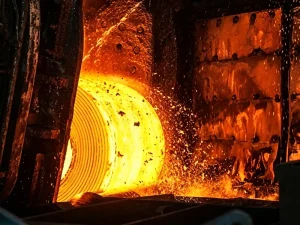
There is no doubt that a heat-resistant conveyor belt can handle much more heat than a regular conveyor belt. However, there is no single temperature limit that works for every heat-resistant belt. Different belts are made for different heat levels. Some are suitable for continuous operation at around 100°C, but others can handle higher temperatures.
So the exact limit depends on the belt’s rubber material, design, and manufacturer. So, it is crucial to check the belt’s recommended temperature range before using it. Another thing that might confuse you is the continuous temperature and peak temperature. Continuous temperature is the maximum heat the belt can handle over a long period during normal operation.
However, peak temperature refers to the highest temperature the belt can handle for only a short time. For example, a belt might safely carry a very hot material for a few minutes. However, that does not mean it will handle the same temperature all day. Moreover, the material’s temperature is not the only thing that matters. How long the hot material stays on the belt, how fast the belt moves, and the amount of material also affect the belt.
Main Advantages of Heat Resistant Conveyor Belt
When a conveyor belt must carry hot materials, using an ordinary belt can cause problems over time. In this case, heat-resistant conveyor belts offer strength, flexibility, and reliability. But that’s not all. Let’s discuss more benefits of these Hochtemperatur-Förderbänder that make them stand out.
1- Better Resistance to Heat
The first major benefit of the heat-resistant conveyor belts is that they handle heat much better. The belt is made with a special rubber compound that stays in good condition when hot materials are placed on it. It does not get damaged quickly and continues to operate within its operating temperature range.
2- Longer Service Life
Constant exposure to heat makes a normal conveyor belt wear out much faster. The rubber slowly loses its useful properties, which means the belt will need to be replaced sooner. However, heat-resistant conveyor belts deal with this problem, so they can last longer. This means the belt does not have to be replaced as often. This saves both time and maintenance effort.
3- Reduced Cracking & Hardening
When rubber is repeatedly exposed to excessive heat, what happens to it? It definitely loses its flexibility and eventually develops cracks. The same thing can happen to a conveyor belt. Heat-resistant belts use special rubber that can withstand high temperatures. There is no risk of cracking or hardening. This allows the belt to stay more flexible and usable for longer.
4- Better Material Handling
Some industrial materials are too hot to wait for them to cool before moving. If they are not transported quickly, this can cause delays. To cope with this issue, heat-resistant conveyor belts provide a reliable solution. They make it possible to carry such hot materials, and there is no need to wait. They continue moving these hot materials without an unnecessary cooling process.
5- Reduced Downtime
A damaged conveyor belt can stop the entire material-handling process. Workers then need to stop production, find the problem, repair the belt, or replace it. All this takes time, which causes downtime. But heat resistance reduces this problem as it can handle high heat very efficiently. There is a lower chance of sudden damage or failure.
Common Applications of Heat Resistant Conveyor Belt
Heat-resistant conveyor belts are a necessity for those industries that need to handle hot materials daily. They help quickly carry hot materials from one stage of a process to another. Let’s discuss more areas where heat-resistant conveyor belts perform.
1- Cement Industry
The first major user of heat-resistant conveyor belts is the cement industry. During cement production, materials such as clinker come out of processing at very high temperatures. These hot materials need to be moved continuously to different parts of the plant. A heat-resistant belt carries them without the risk of heat-related damage to the rubber.
2- Steel Industry
Steel production involves many extremely hot materials and processes. A regular conveyor belt may not be able to handle this level of heat for long. That’s where heat-resistant conveyor belts come into play. They work under demanding conditions and transport sinter, pellets, coke, and other hot products around the plant.
3- Foundries
Foundries work with metals. Those metals are heated to very high temperatures before being shaped into useful products. Even after processing, some materials are still hot when they need to be moved. In these situations, a heat-resistant conveyor belt helps transport the materials safely from one area to another.
4- Aggregate Industry
The aggregate industry is the one that handles materials such as stone, sand, gravel, and other materials used in construction. In some operations, the material is heated before transport, such as in asphalt-related processes. A heat-resistant conveyor belt carries these hot materials without losing their useful properties.
5- Power Plants
Power plants also use heat-resistant conveyor belts for handling hot materials. For example, some systems need to move hot ash or other materials produced during power generation. If the material is still hot when it reaches the conveyor, an ordinary belt will not be the best choice. So that’s a heat-resistant conveyor belt that handles all such hot materials.
6- Chemical & Manufacturing Industries
Many chemical and manufacturing processes involve high heat. Sometimes materials that are still hot during production need to be moved to the next process. A normal Gewebeförderband cannot handle this heat well, so a heat-resistant belt is used instead. It allows the material to keep moving between different stages of production without waiting for it to cool first.
Schlussfolgerung
A heat-resistant conveyor belt is one of the most important parts of many industries. It helps move and transport hot, harsh materials safely from one place to another. The reason behind this reliability lies in its construction. It involves specifically formulated rubber layers that do not deteriorate in high heat. In this guide, I have discussed the benefits, uses, and everything about heat-resistant conveyor belts.
However, the important thing is that not every heat-resistant belt is suitable for every job. It depends on the material’s heat, temperature range, and belt speed. That’s why choosing a belt only because it has a high temperature rating is not enough. It should match the actual conditions of the conveyor.