
Conveyor belts make work easier in many industries. They move materials from one place to another without people having to carry everything by hand, saving time. However, sometimes a belt starts moving to one side and doesn’t stay in the center. This problem is known as conveyor belt mistracking. It may seem small, but over time it can affect the entire production process. But you can solve these mistracking problems with a little care. How? In this guide, I’ll cover effective, practical conveyor belt tracking tips. You will learn why belts move to one side and what you can do to keep them straight. So let’s get started. What…
16
10月
10月
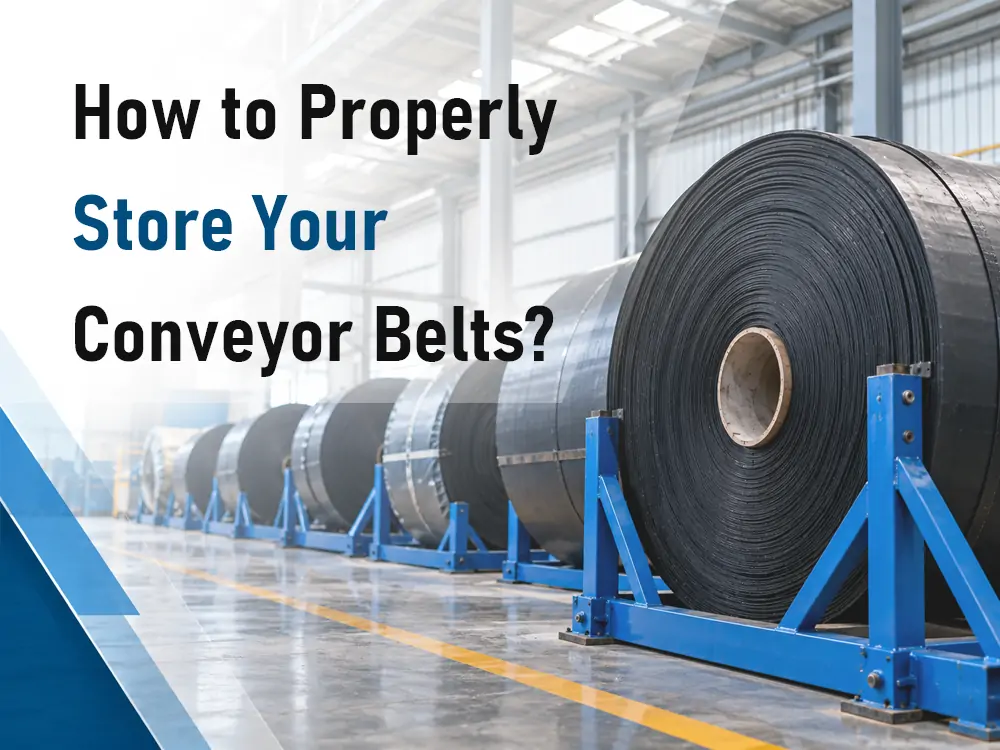
Conveyor belts are essential in many industries. Their role in transporting materials makes them stand out. In some cases, conveyor belts are not in use and need to be stored for some time. If they aren’t stored correctly, these conveyor belts can develop issues. That’s where the question comes in: How to properly store your conveyor belts? You might argue that conveyor belts are made from strong, durable materials. So, they can withstand harsh conditions. I agree that these belts are strong. However, when they are not stored correctly, these belts face various issues. These include cuts, corroded hardware, and more. In this article, I will discuss how you…

18
9月
9月
Conveyor belts have become common across many industries. They help transport cargo and heavy-duty logistics effortlessly. However, belt tracking keeps the belt centered on the conveyor system. In some cases, conveyor belts do not stay centered in the conveyor system. Several common causes of conveyor belt tracking issues exist. Remember, if conveyor belts face tracking issues, the system may not perform optimally. This issue is even more noticeable when the conveyor belt is used to transport heavy-duty logistics. Understanding conveyor belt tracking issues and their causes is very important. In this article, I will cover the basics of these issues and the reasons behind them. So, let’s get started….

16
9月
9月
Moving goods from one place to another by hand might be easier for small operations. But what if a factory has hundreds of boxes, parts, or materials to move every day? Undoubtedly, doing this manually takes time, effort, and labor costs. That’s where the guide on endless conveyor belts comes into the scene. You can find endless conveyor belts in many places where they easily carry all types of materials from one place to another. But if you are new to them, you need to understand how they work, their types, and their features to make the right choice. If you feel confused, worry not! In this guide, I…
11
9月
9月
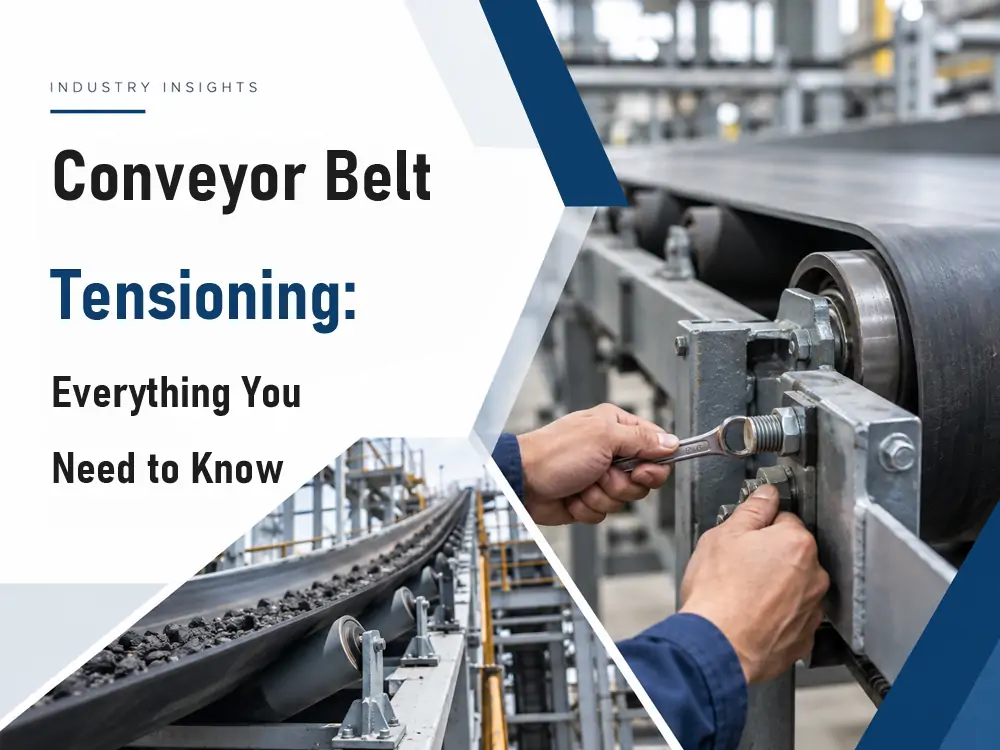
Conveyor belts are essential in many industries. They transport heavy-duty materials from one location to another. However, if the conveyor belt has poor tension, it can sag or fail during operations. That’s why understanding conveyor belt tensioning is essential. If the belt is too loose, it will sag or slip off the drive pulley. As a result, you won’t be able to transport the materials. Additionally, if the belt is too tight (high tension), it can be exposed to extreme stress and affect operation. That’s why the right tension in the conveyor belt is very important. In this article, I will cover the basics of conveyor belt tensioning. So,…

13
8月
8月
Conveyor belts are a key component in many industries. They help move goods and many other materials safely and quickly. However, in many industries, the material being moved is not at room temperature. It may be hot clinker coming from a cement plant, heated aggregates, or hot coke. Moving such hot materials is not possible with standard conveyor belts. That’s where heat-resistant conveyor belts come into play. But what makes these belts special and how do they work? If you are new to them, worry not! This guide on heat-resistant conveyor belts and their working will make things easier for you. I will discuss what these heat-resistant belts are, how…

22
7月
7月
Every day, thousands of factories, warehouses, airports, and food plants move materials from one place to another. The main tool behind this smooth movement is most probably the rubber conveyor belt. It helps carry everything from small packages to heavy materials quickly and safely. In this way, it reduces manual effort, saves time, and makes the overall operation much more efficient. But if you are new to these belts, you might wonder: What is a rubber conveyor belt and how does it work? If this confuses you, worry not! In this guide, I will discuss everything about rubber conveyor belts, including their types, uses, and how they work. So let’s…
09
7月
7月
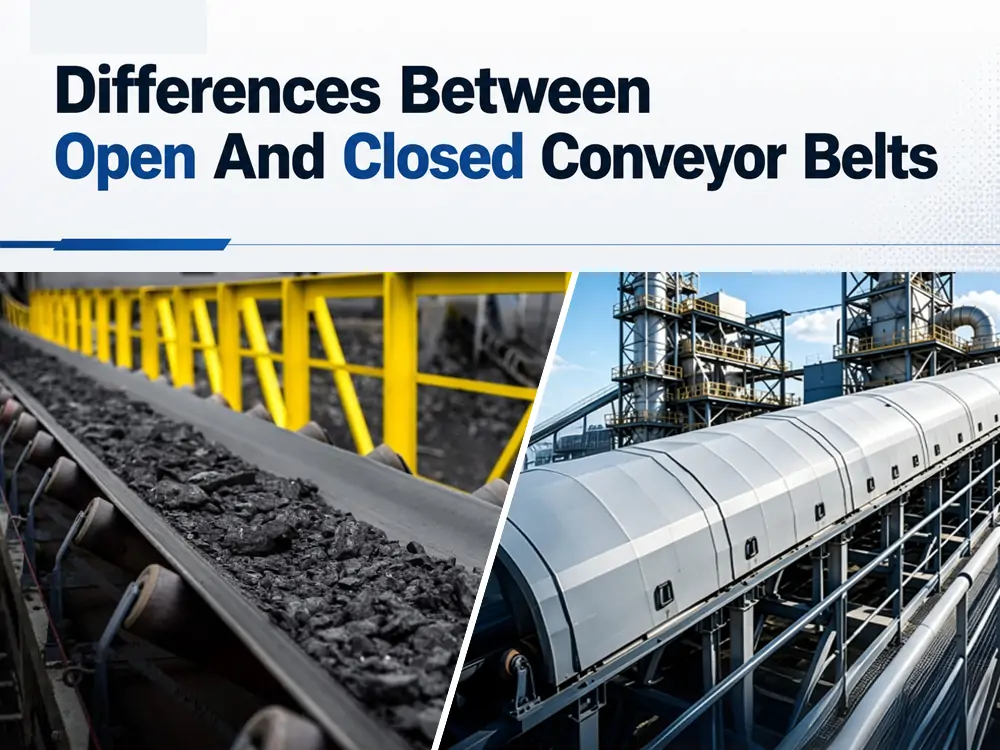
Conveyor belts have become a must for many industries. That’s because of the obvious reason – they make transportation of materials easier and effortless. Interestingly, different types of conveyor belts are available. Some of these are open designs, while others are closed. This article is all about the differences between open and closed conveyor belts. Remember, these two conveyor belts differ in many ways. Some people consider open conveyor belts a better option due to their affordable pricing. However, the airtight design of the conveyor belts impresses others. So newbies can get confused when choosing between these belts. In this article, I will explore all the differences between these…
22
6月
6月
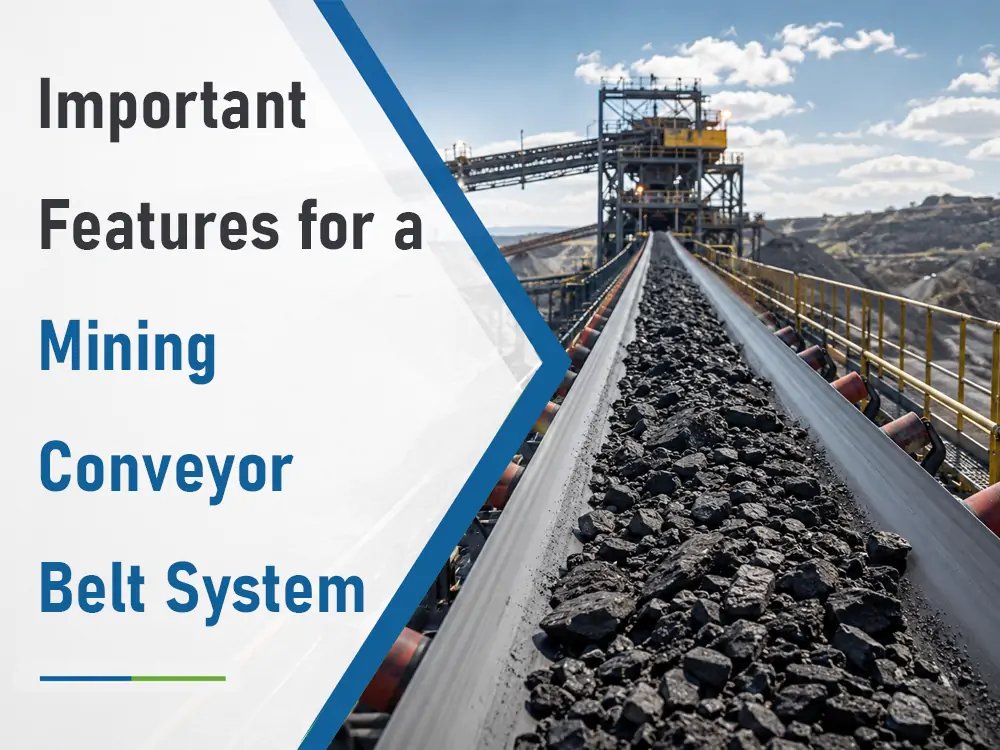
Conveyor belts are not a new thing and have been in use for decades. They help transport materials, even abrasive ones, efficiently. Interestingly, different types of conveyor belts are available. Among these, mining conveyor belts are popular. This article covers important features for a mining conveyor belt system. Although mining conveyor belts are widely used, people still have a limited understanding of them. That’s why they get confused when choosing a mining conveyor belt system. Therefore, learning the key features of a mining conveyor belt system is important. In this article, I will discuss various properties and features of mining conveyor belts. Let’s get started. What is a…
12
6月
6月
Conveyor belts are considered must-haves for all modern industries. They help transport and handle materials efficiently without requiring a large investment. However, there is a fascinating history of conveyor belts that has shaped their evolution. It is worth noting that these belts are not a new invention. Instead, they have been in use for centuries. In the early days, these conveyors were manual and made of wooden materials. As a result, they were less durable and had limitations. Over the years, they underwent changes and modifications, giving us highly efficient belts today. In this article, I will discuss the creation of conveyor belts and their history. So, let’s get…